
Complete Water Damage Recovery
Water Damage Restoration Services in Eagle Mountain, UT
Understand the damage, identify affected materials, and plan your restoration.
Water Damage Restoration Services for Eagle Mountain Properties
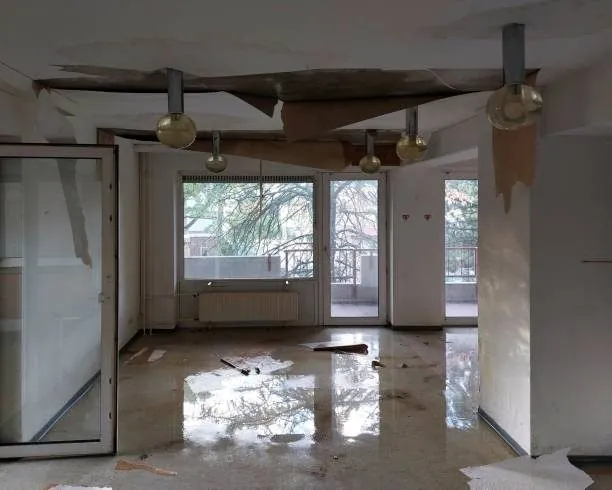
Water damage can affect more than the surface where water first appears. Leaks, burst pipes, appliance failures, and flooding can introduce moisture into flooring, drywall, insulation, cabinetry, and structural materials. Water Damage Restoration addresses the affected areas through a coordinated process that begins with identifying the source and evaluating the extent of the damage.
Eagle Mountain Utah Water Damage Restoration Services helps property owners understand the steps involved in recovery. This includes assessing the affected spaces, removing standing water, considering materials that may need removal, and planning appropriate drying. We focus on the actual condition of the property rather than assuming that every water incident requires the same treatment.
Eagle Mountain Utah Water Damage Restoration Services Is Proud to Serve Utah
What Is Included in Water Damage Restoration?
A water damage restoration project generally involves several connected stages. The exact scope depends on the source of the water, the size of the affected area, and the materials involved.
Initial Damage Assessment
The affected rooms and surrounding spaces are evaluated to understand where water has traveled. This may include checking floors, walls, ceilings, cabinets, and other areas where moisture can collect.
Water Source Identification
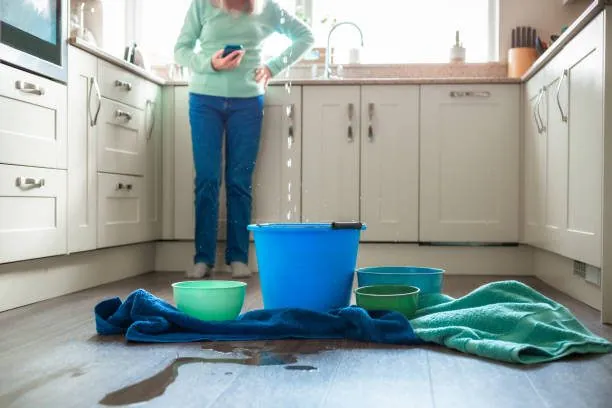
The source of unwanted water needs to be identified and controlled. Plumbing failures, appliance leaks, exterior water intrusion, and flooding each require different corrective steps.
Water Extraction
Standing water is removed using equipment appropriate for the amount of water and the affected surfaces. Extraction helps limit additional absorption into surrounding materials.
Affected Material Evaluation
Flooring, drywall, insulation, and other materials are evaluated to determine whether they can be dried or need removal because of contamination or damage.
Structural Drying
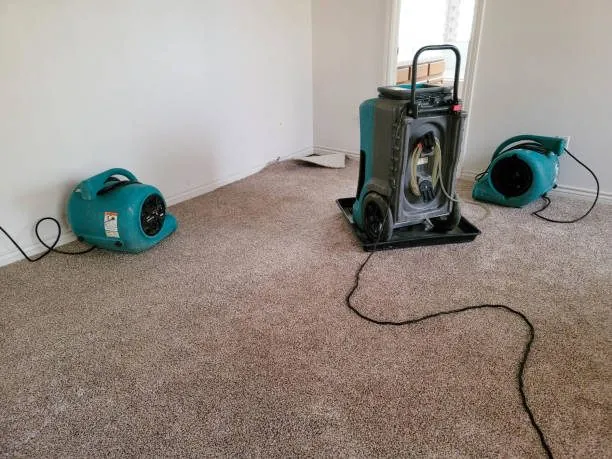
Air movement and dehumidification help remove moisture from the building environment and affected materials. Drying conditions need to be monitored rather than judged by appearance alone.
Why Choose Us for Water Damage Restoration?
A complete restoration perspective
We consider the relationship between water removal, cleanup, affected materials, and drying rather than treating each visible wet spot as an isolated problem.
Practical property guidance
We help customers understand what may need attention and which questions to ask before restoration work proceeds.
Attention to the source
A restoration plan should consider why the water entered the property and whether additional repairs are necessary to prevent a repeat incident.
Contact Us Today for an Estimate
Need help understanding water damage in Eagle Mountain? Contact us to discuss your property and possible restoration steps.
Our Water Damage Restoration Process
Assess the situation
Identify the source, affected spaces, apparent damage, and potential hidden moisture. Immediate safety concerns are addressed before entering affected areas.
Control the water source
The leak or entry point needs to be stopped. Plumbing, roofing, drainage, or other specialist repairs may be necessary.
Remove standing water
Appropriate extraction methods are selected based on the amount of water, the affected materials, and the conditions within the property.
Clean and evaluate materials
Affected surfaces are considered for cleaning, drying, or removal according to their condition and the type of water involved.
Dry and monitor
Drying equipment and moisture checks help determine whether affected materials are returning to suitable conditions.
Water Damage Restoration Questions
What is the difference between water mitigation and water damage restoration?
Water mitigation focuses on limiting further damage by addressing the source, removing water, and beginning the drying process. Restoration can also include repairs and rebuilding affected areas after moisture-related issues have been addressed.
Can a water-damaged room be restored without replacing everything?
In some situations, affected materials can be cleaned and dried rather than removed. The decision depends on contamination, material condition, exposure time, and whether adequate drying is possible.
Should I remove furniture from a water-damaged room?
Move unaffected belongings away from the affected area if it is safe to do so. Avoid moving heavy or damaged items through standing water, and photograph the condition of the room before disturbing anything.
What happens after the drying process is finished?
The affected areas should be evaluated to confirm that moisture conditions are appropriate. Repairs, replacement of removed materials, and restoration of finishes may follow.